Prices · 8 min read
How much is a TASER? Real prices, cartridges included
From $169.99 for the StrikeLight 2 to $1,699.99 for the 7 CQ, plus about $30 per live cartridge.
Read the guidePrices checked Nov 16, 2026 // Is it legal in your state? →
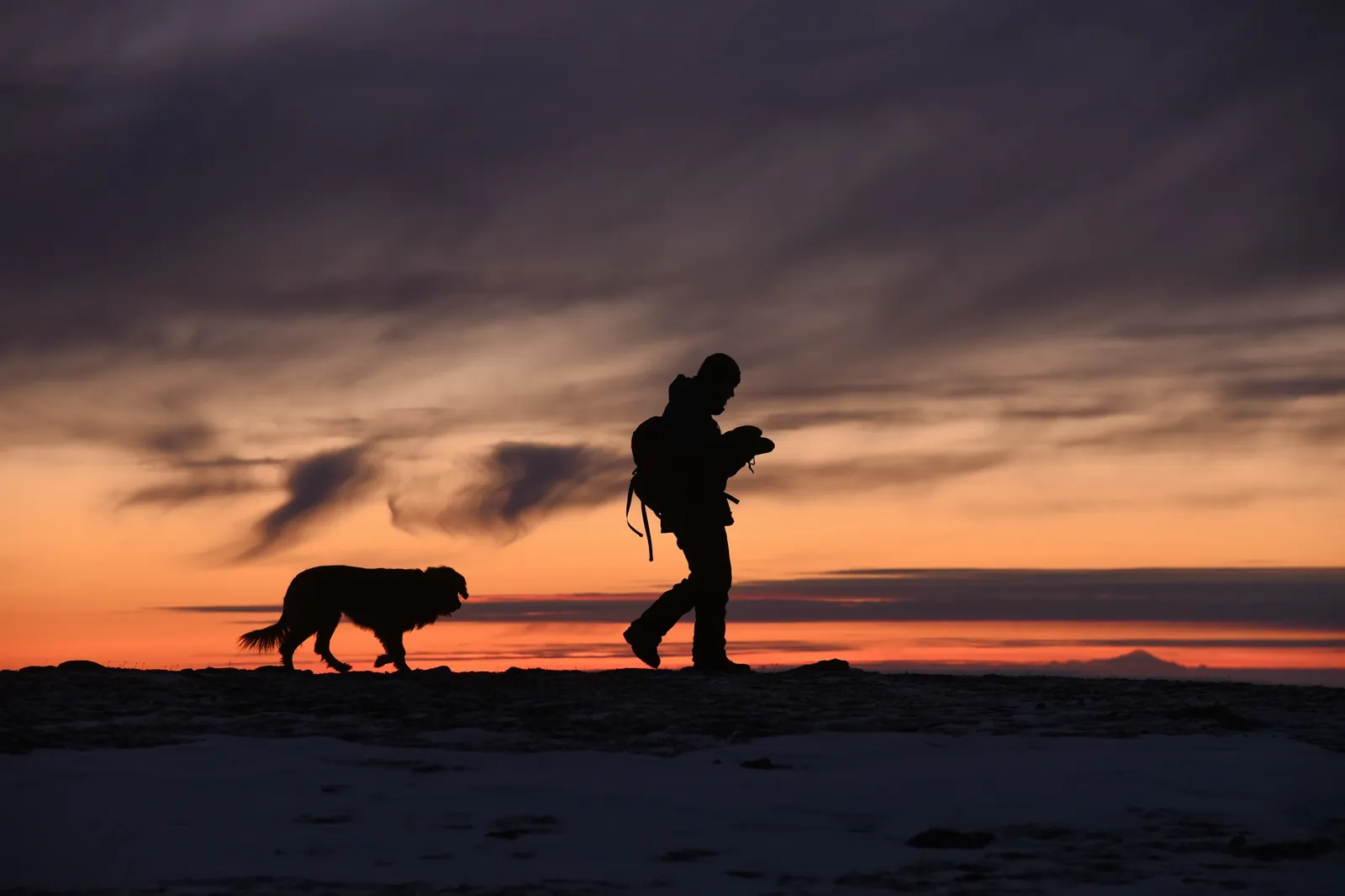
Gel for windy streets and indoor use, a stream spray for keys and quick aim; both reach about 12 ft.
Some links on this page are affiliate links: we may earn a commission at no cost to you, and it never changes our picks. FTC disclosure.
Both use OC, the oil from hot peppers that makes the eyes close and causes coughing. The difference is how it leaves the can. A spray comes out as a stream, a cone (mist) or a fog; a gel comes out as a thick, sticky stream.
That changes three things: how much wind pushes it back at you, how well it stays where it lands, and how easy it is to hit with under stress.
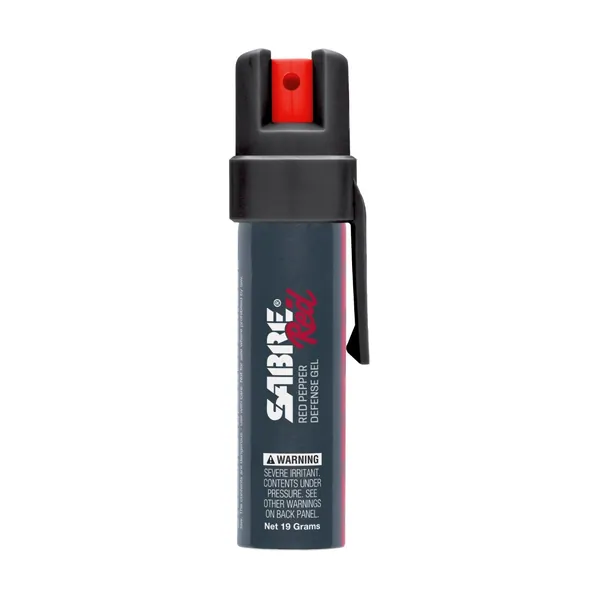
Yes, that is its main advantage, and SABRE says so on its product page: the gel formula cuts wind blowback outdoors and makes indoor use more controlled. A mist or a fog spray is more likely to drift back toward you in a breeze, and anyone else in the room gets a share indoors.
A gel also sticks. It doesn't spread through a room, and it's harder to wipe off quickly. The trade-off is that you need to aim: a gel stream won't cover the area a cone of mist does.
The three we rank:
Mist and fog sprays reach less: they trade distance for coverage.
Strength is about the formula, not the format. Brands use three different measures: SHU (Scoville heat units), OC percentage and "major capsaicinoids". POM gives 2.12 million SHU and 1.40% major capsaicinoids; Fox Labs gives 2% OC at 5.3 million SHU. Those figures don't compare cleanly, so we show them, attributed, and don't rank on them. Our page on OC spray vs Mace explains the labels.
Video: How to Choose a Pepper Spray (SABRE Red, YouTube). It plays from youtube-nocookie.com once you click.
A small stream spray. POM's Key model is ½ oz, 3.5 in long, and its flip-top opens with one thumb. The quick release lets you hand over your keys and keep the spray. SABRE's gel comes with a clip for a belt or a bag strap rather than a key ring. Our keychain ranking compares the options.

A bigger can where size limits allow it. Fox Labs' 1.5 oz stream reaches 15 ft and holds 18 bursts; it's too big for some state limits, such as New Jersey's 0.75 oz cap. Indoors, a gel is the more controlled choice, because it doesn't fill the room. Our pepper spray ranking puts the three in order.
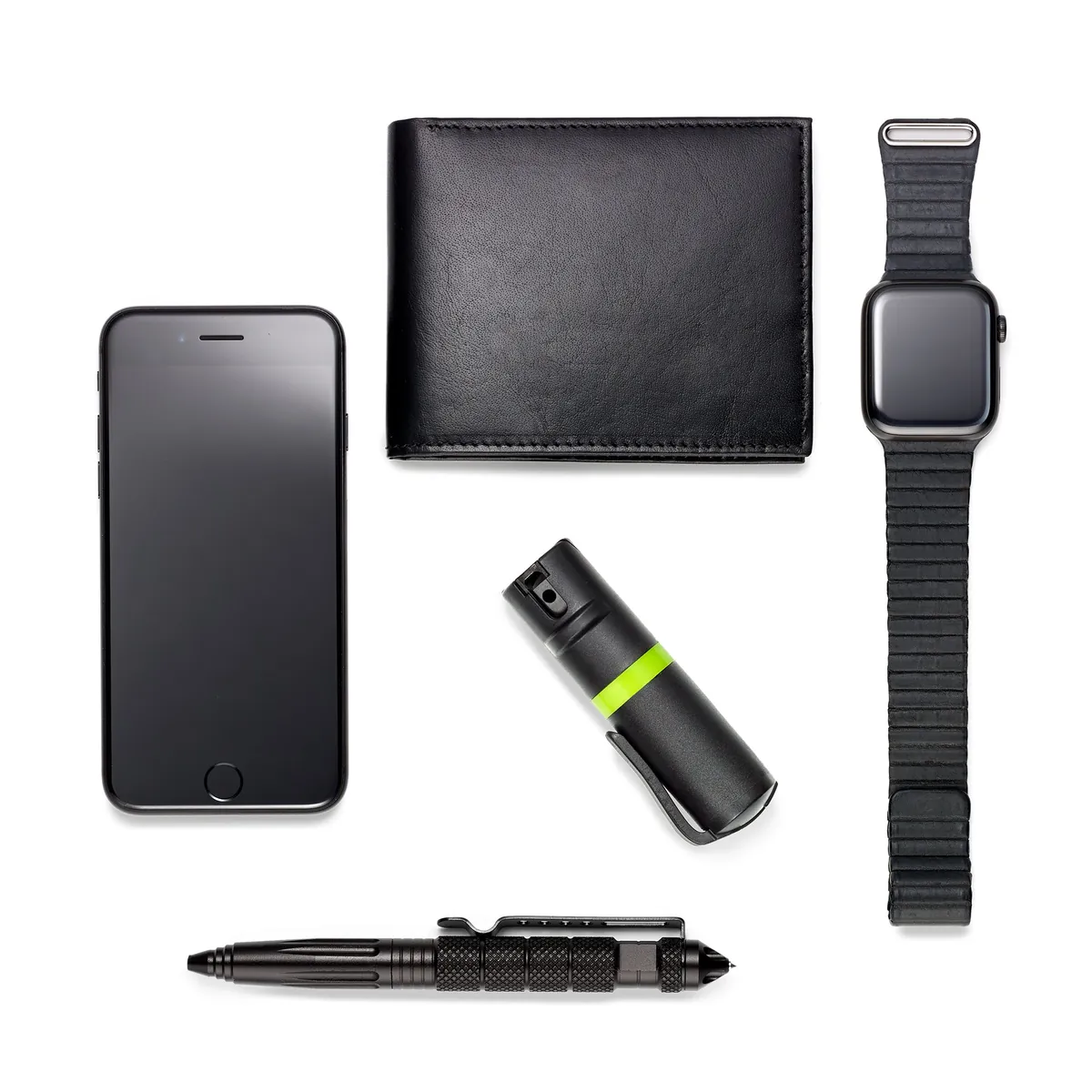
Until the expiration date printed on the canister. Replace it then, even if you never used it, because the pressure and the formula degrade. SABRE covers its sprays against defects until that date and offers a free replacement if you register within 31 days. Buy one inert practice unit (SABRE from $4.99, POM $7) and try it outdoors once.
Not in your carry-on: the TSA bans both from the cabin. In checked bags, the TSA allows one container of up to 4 fl oz with a safety mechanism, and bans sprays with more than 2% tear gas. Read the TSA page before you pack.
Foam and fog are two more formats you will see. A fog (or cone) covers a wide area at short range and is the most likely to drift back in a breeze. A foam clings even more than a gel but reaches less. Neither is in our ranking, because for most people walking, running or carrying on a key ring, a gel or a stream does the job better.
Buy an inert unit of the same model: it has the same can, safety and spray pattern, with water inside. SABRE's inert units start at $4.99 and POM's cost $7. Try it outdoors, with the wind behind you, at a target about 10 ft away: open the safety without looking, give a short burst, step to the side, and keep moving. Do it twice and the real thing will not be your first try.
Then put the real can where your hand goes naturally, and note the expiration date in your phone.
The one with the safety you can open without looking. SABRE's gel uses a twist-lock you turn with your thumb; POM's flip-top opens with one thumb too. Fox Labs' page doesn't mention a safety cap on the Five Point Three, which is one reason it sits lower in our ranking. Whatever you pick, hold it so the nozzle points away from you by feel: many canisters have a finger groove or a shaped top for exactly that.
Then aim low and move. A short burst toward the face, then step to the side and get away. The gel gives you up to 13 seconds of spray in total (SABRE), so you have room for several bursts.
Then you are looking at a launcher, not a bigger can. Sprays and gels top out at about 12 to 15 ft. SABRE also sells a pepper-projectile launcher for the home, rated to 60 ft: our SABRE Home Defense Launcher review covers what it costs to reload and the states SABRE won't ship it to. Byrna gives the same 60 ft for its launchers, and our Byrna SD review has the details.
Both need CO2 and practice, and both are restricted in more places than a spray, so read your state's page first. For a bag or a key ring, a gel or a stream spray stays the simpler choice.
Sources: tsa.gov.
at SABRE, checked Nov 16, 2026
Everyone's first self-defense tool: cheap, light and easy to aim.
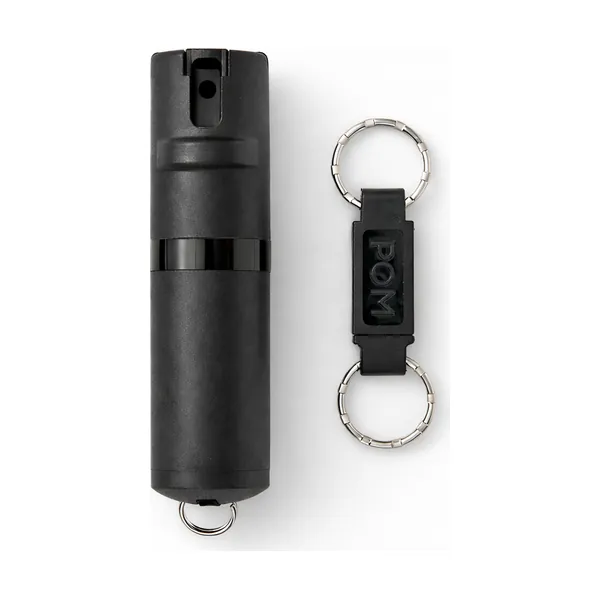
at POM, checked Nov 16, 2026
Keychain carry you can use without looking.
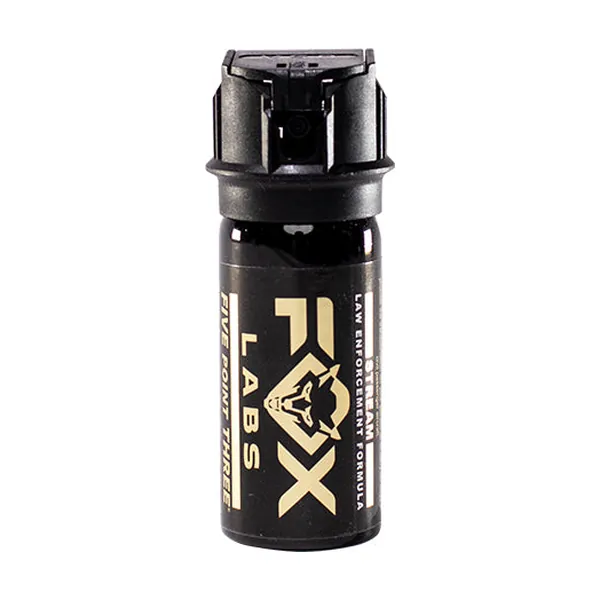
at Fox Labs, checked Nov 16, 2026
A bigger can for the car or the house.
Best pepper spray and pepper gelSelf-defense keychain picks you will actually carry
Outdoors and indoors, a gel blows back less and sticks where it lands. A spray covers more area and is easier to hit with. For most walkers and runners, gel is the safer choice.
It uses the same OC ingredient. The difference is the format: a stream of gel instead of a mist or a stream of liquid.
About 12 ft for SABRE's gel, according to SABRE.
Not in a carry-on. The TSA allows one container up to 4 fl oz in checked bags, with a safety mechanism.
From $169.99 for the StrikeLight 2 to $1,699.99 for the 7 CQ, plus about $30 per live cartridge.
Read the guide
TASER sells direct to every state but Hawaii; authorized dealers sometimes list it lower.
Read the guide
TASER rates the StrikeLight 2 at 20,000 volts and 10 µC; the charge, not the volts, is what counts.
Read the guide